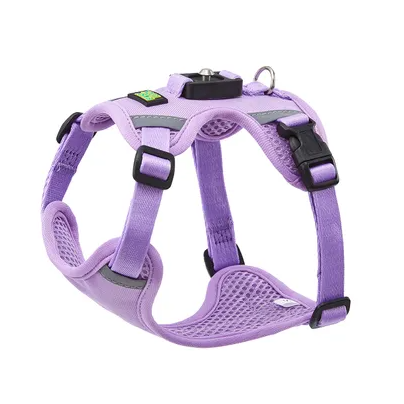
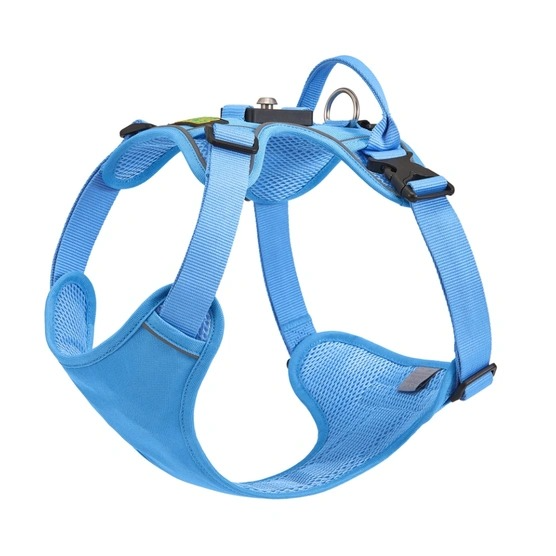
Design Optimization of Magnetic Locking Mechanisms for Repetitive Use Scenarios

🧲 Magnetic Locking Mechanisms for Repetitive-Use Pet Products
Performance optimization, durability engineering & reliability solutions for professional pet hardware
Application Environment and Performance Expectations
Magnetic locking mechanisms used in pet restraint systems are subject to frequent engagement and disengagement during daily operation. In repetitive use scenarios, even minor structural or material deficiencies can accumulate into performance degradation over time.
From a manufacturing standpoint, ensuring stable locking behavior across thousands of cycles is a core engineering requirement rather than a usability feature.
Root Causes of Performance Degradation
Repeated operation introduces specific mechanical stresses that impact magnetic locking mechanisms, including:
• Progressive wear on contact surfaces affecting alignment accuracy
• Reduction in magnetic efficiency due to micro-movement and vibration
• Fatigue accumulation in mechanical locking interfaces
• Contaminant ingress impacting magnetic guidance consistency
Without optimization, these factors reduce both functional reliability and service life.
Engineering-Level Optimization Approaches
Design optimization focuses on separating magnetic guidance from mechanical retention. Effective engineering strategies include:
• Designing mechanical locking features to absorb tensile forces independently
• Using magnets strictly for positional alignment rather than load resistance
• Reinforcing high-cycle contact zones with wear-resistant materials
• Validating cycle durability through repeated engagement testing
This approach ensures consistent performance even under intensive use conditions.
Operational Gains and Manufacturing Impact
Optimized magnetic locking mechanisms deliver tangible benefits:
• Stable engagement behavior over extended operation cycles
• Reduced maintenance and replacement frequency
• Improved product consistency across production batches
• Greater reliability in high-frequency usage environments
These gains support scalable manufacturing and long-term product integrity.
Closing Perspective and Technical Consultation
Magnetic locking mechanisms designed for repetitive use require disciplined engineering optimization. By addressing wear, alignment, and load separation, manufacturers can achieve durable and predictable locking performance.
For technical consultation on magnetic locking mechanism optimization, EASYLOCK provides engineering support tailored to repetitive-use applications.