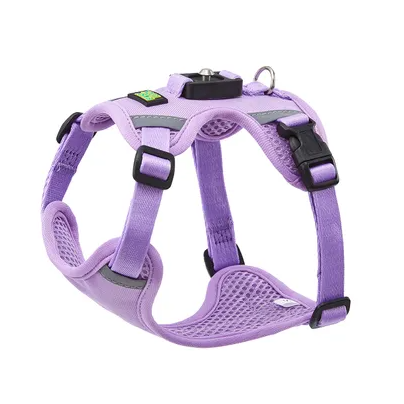
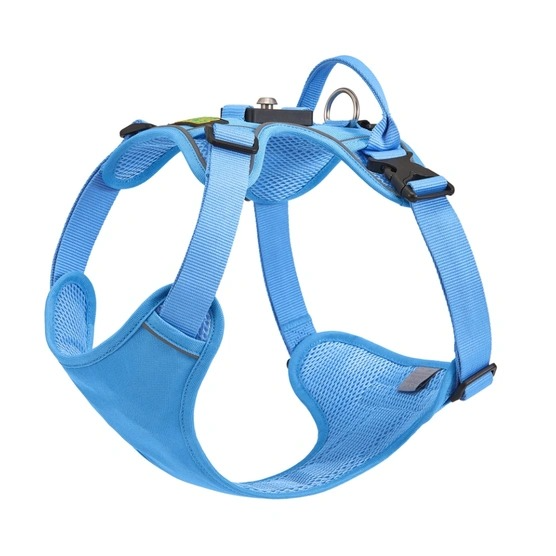
Engineering Challenges in Magnetic Buckle Systems for Pet Harness Manufacturing

Introduction – Industry Context & Challenge Statement
As pet harness products evolve toward greater ease of use and safety, magnetic buckle systems are increasingly adopted in modern pet harness manufacturing. These systems are designed to improve fastening efficiency while maintaining secure locking performance. However, integrating a magnetic buckle into load-bearing pet harness applications presents multiple engineering challenges that directly affect product reliability, safety, and production consistency.
Manufacturers face increasing pressure to deliver hardware solutions that balance user convenience with mechanical stability, especially in applications involving repetitive movement, sudden pulling forces, and outdoor exposure.
Technical Challenge Breakdown
One of the primary challenges in magnetic buckle engineering lies in balancing magnetic attraction force with mechanical locking strength. Insufficient magnetic alignment can lead to unstable closure, while excessive magnetic force may interfere with smooth release under controlled conditions.
Additional technical challenges include:
-
Load distribution inconsistency caused by uneven magnetic field alignment
-
Material fatigue resulting from repeated tensile stress and vibration
-
Tolerance sensitivity affecting automatic self-alignment during fastening
-
Environmental interference, such as dust or moisture reducing magnetic efficiency
These factors must be addressed during both design and manufacturing stages to ensure reliable performance.
Solution / Engineering Insights
Effective magnetic buckle systems rely on a hybrid engineering approach that combines magnetic guidance with mechanical load-bearing structures. Key engineering considerations include:
-
Optimized magnet placement to guide closure without bearing primary tensile loads
-
Reinforced internal locking geometry to absorb pulling force independently of magnet strength
-
Precision molding and machining to maintain alignment tolerance consistency
-
Selection of corrosion-resistant magnetic materials suitable for outdoor environments
By separating alignment function from structural load resistance, magnetic buckle systems can achieve both usability and safety.
Benefits & Expected Output
When magnetic buckle systems are properly engineered, manufacturers can expect:
-
Improved fastening efficiency during harness assembly and end-user operation
-
Enhanced structural reliability under dynamic load conditions
-
Reduced failure rates caused by misalignment or material fatigue
-
Greater consistency in large-scale production runs
These outcomes contribute directly to higher product quality and reduced long-term maintenance costs.
Conclusion + Call to Action
Magnetic buckle integration in pet harness manufacturing requires precise engineering control across materials, structure, and tolerance management. Addressing these challenges at the design stage enables manufacturers to deliver secure, user-friendly fastening solutions suitable for demanding applications.
For technical discussions on magnetic buckle integration or specification evaluation, manufacturers are encouraged to consult with experienced hardware engineering teams.