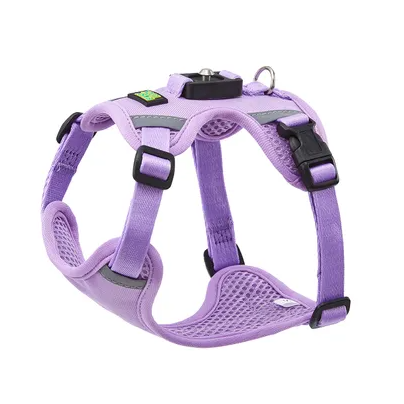
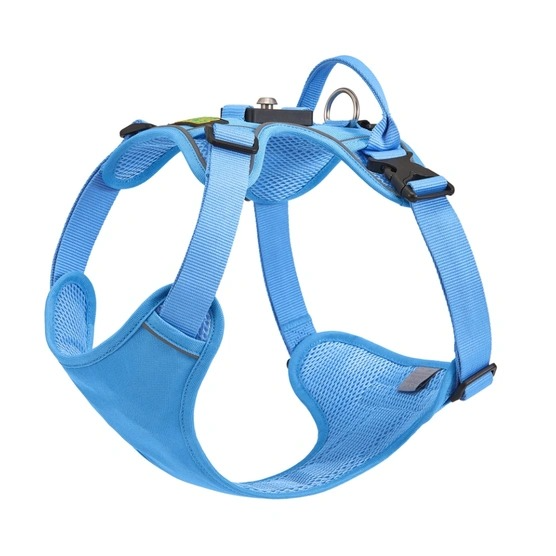
Engineering Safety: The Technical Architecture of the Heavy-Duty Zinc Alloy Pet Harness

In the global pet accessory market, the transition from simple decorative items to high-performance safety equipment has redefined manufacturing standards. The core challenge for hardware developers and gear designers lies in balancing aesthetic appeal with structural integrity. A Heavy-Duty Zinc Alloy Pet Harness represents the pinnacle of this balance, integrating advanced metallurgy with high-tensile textile engineering to ensure reliability under extreme mechanical stress.
The Context of Industrial Pet Safety
As urban environments become more complex, the demand for "Easy Lock" systems—those that provide instantaneous security without compromising the animal's comfort—has surged. Traditional plastic components often suffer from UV degradation or brittle fracture in low temperatures. This necessitates a shift toward industrial-grade metal components that can withstand the kinetic energy generated by large breeds during sudden movements.
Technical Challenge Breakdown: Tensile Failure and Wear
The primary failure points in standard pet harnesses are typically the connection interfaces. Engineers must address two critical factors:
- Dynamic Load Distribution: When a force is applied, stress concentrations at the D-ring or buckle can lead to material fatigue. Without precision-engineered load paths, the fabric may tear or the metal may deform.
- Surface Friction and Corrosion: Constant exposure to moisture, salt air, and mechanical abrasion requires hardware with superior surface treatment. Traditional plating often flakes, leading to oxidation and functional failure of the locking mechanism.
Solution and Engineering Insights
To mitigate these risks, the Pastel Collection utilizes a multi-layered approach to material selection and structural design. Below are the key engineering pillars:
High-Strength Zinc Alloy Hardware
The use of Zinc Alloy components provides a superior strength-to-weight ratio compared to traditional steel or plastic. These components are die-cast under high pressure to eliminate internal porosity, ensuring consistent density and pull-strength exceeding industry safety margins.
Eco-Friendly Electroplating
Surface finishes are achieved through Advanced Electroplating processes. This not only creates the signature "Pastel" aesthetic but also adds a sacrificial layer that protects the base metal from environmental corrosion and oxidative stress during outdoor use.
Reinforced Nylon Webbing
Complementing the metal hardware is the High-Density Nylon Webbing. The weave pattern is optimized for flexibility and tensile resistance, featuring reinforced box-stitching at all major stress points to prevent thread unraveling under high load.
Benefits and Expected Output
Implementing a Heavy-Duty Zinc Alloy Pet Harness solution results in measurable improvements across several safety and operational dimensions:
| Parameter | Expected Performance Improvement |
|---|---|
| Hardware Durability | Significant reduction in mechanical deformation under 200kg+ pull tests. |
| Corrosion Resistance | Enhanced lifespan in humid or coastal environments due to multi-layer plating. |
| Ergonomic Comfort | Reduction in pressure point irritation via optimized harness geometry. |
Conclusion
The engineering behind the Heavy-Duty Zinc Alloy Pet Harness goes beyond simple aesthetics. By prioritizing material science and mechanical reliability, Easylock provides a robust solution for professional distributors and pet owners alike. The integration of high-precision hardware and reinforced textiles ensures that safety remains the paramount objective.
Ready to upgrade your product line with industrial-grade pet safety gear?
Request a Technical Consultation