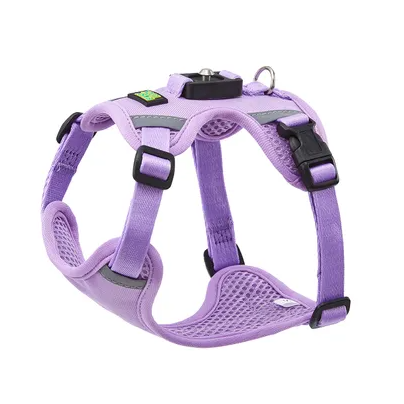
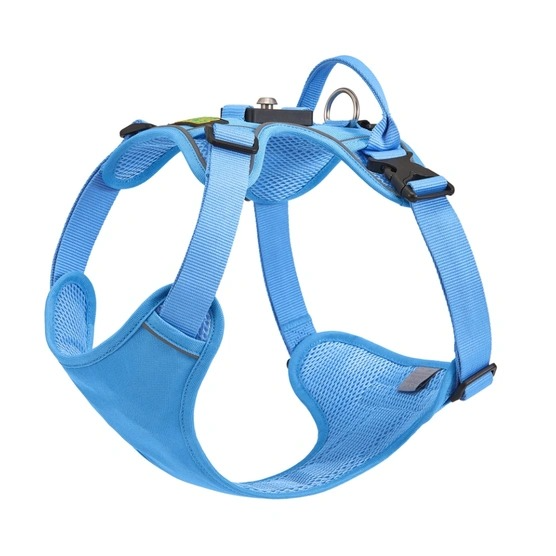
Material Selection Strategies for High-Durability Pet Harness Hardware

Introduction – Industry Context & Challenge Statement
In pet harness hardware manufacturing, material selection directly determines product durability, safety margins, and long-term performance stability. Unlike decorative components, pet harness hardware must withstand continuous tensile forces, environmental exposure, and repetitive motion throughout its service life.
Manufacturers face increasing technical demands to balance strength, weight, corrosion resistance, and manufacturability while maintaining consistent quality across large production volumes.
Technical Challenge Breakdown
Selecting inappropriate materials for pet harness hardware often leads to premature wear, deformation, or structural failure. Key technical challenges include:
-
Insufficient tensile strength under sudden pulling loads
-
Material fatigue caused by repetitive stress cycles
-
Corrosion or degradation in outdoor and humid environments
-
Dimensional instability affecting assembly precision
These issues are amplified when hardware components are integrated into load-bearing pet harness systems.
Solution / Engineering Insights
From an engineering perspective, high-durability pet harness hardware requires a material strategy aligned with application-specific load conditions. Effective approaches include:
-
Using reinforced alloys or high-performance polymers in primary load-bearing components
-
Applying surface treatments to improve corrosion and abrasion resistance
-
Controlling material hardness to balance strength with impact absorption
-
Validating material performance through tensile and fatigue testing
Material selection should be guided by functional requirements rather than cost alone to ensure long-term reliability.
Benefits & Expected Output
Optimized material selection delivers measurable benefits for manufacturers, including:
-
Improved product lifespan under demanding usage conditions
-
Reduced failure rates during tensile stress events
-
Greater consistency across mass production batches
-
Enhanced confidence in meeting safety and durability standards
These outcomes directly contribute to stronger product performance and reduced warranty risks.
Conclusion + Call to Action
Material selection is a foundational engineering decision in pet harness hardware manufacturing. A systematic, performance-driven approach enables manufacturers to develop durable, safe, and production-ready hardware solutions.
For technical consultation on material options or performance requirements, manufacturers can engage with EASYLOCK engineering specialists.