Why Is a Harness Kinder for Dogs? These 4 Truths You Must Know
🐾 Why Is a Harness Kinder for Dogs? These 4 Truths You Must Know!
Choose a gentler walking way to protect your dog's physical and mental health
Taking your dog out for a walk – that leash connects more than just you and your pet. It's a lifeline for safety and health. Many owners still use traditional collars, but the truth is – a harness is a gentler, smarter choice. Let's talk about why more and more vets and trainers are recommending harnesses.
✅ Reason 1: Distributes Pressure, Protects the Neck & Trachea
Collars concentrate all the pulling force on your dog's most vulnerable area – the neck. When your dog lunges, or you suddenly pull the leash, all the force goes straight to the trachea and cervical spine.
Long-term use can lead to:
• Tracheal collapse
• Chronic coughing, breathing difficulties
• Spinal issues or neck injuries
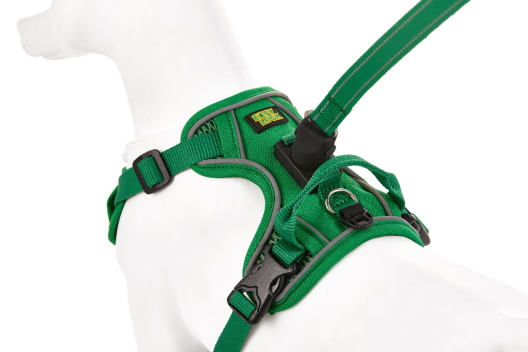
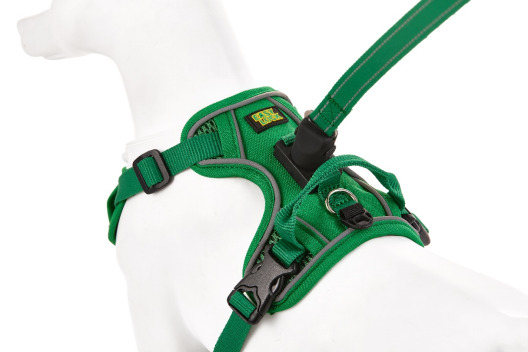
A harness, with its Y-shaped or H-shaped design, distributes the pulling force across the strong chest and back, completely avoiding the trachea area. Studies show: using the right harness can reduce the risk of injury by up to 72%!
✅ Reason 2: Reduces Psychological Stress & Stabilizes Behavior
Jerking on a collar feels like punishment to a dog. They don't understand why you're pulling – they only feel discomfort and fear, and may even become aggressive.
A well-known Norwegian dog trainer points out: a dog's neck is packed with vital organs. Repeated pulling not only hurts the body but can also damage the thyroid gland, making dogs more prone to fear and agitation.
A harness lets your dog walk comfortably, without pressure, so they stay calmer and more willing to cooperate with you.
✅ Reason 3: Avoids High Eye Pressure, Safer for Short-Nosed Breeds
A 2025 study found that when dogs wear collars during exercise, their eye pressure rises significantly.
For short-nosed breeds (like French Bulldogs, Pugs, Bulldogs), even just standing still with a collar on can increase eye pressure – which is bad for their health and welfare. A harness does not cause this problem at all.
If you have a short-nosed dog, this is especially important to know!
✅ Reason 4: Escape-Proof Design for Safer Outdoor Walks
A collar has only one attachment point. For dogs whose head and neck circumferences are similar (like Shiba Inus), they can simply back up two steps and slip right out.
A harness uses multiple attachment points (e.g., 3-clip design: chest + back + belly). If your dog tries to back out? The belly strap stops them, greatly reducing the risk of slipping loose.
For dogs that are easily startled or tend to lunge, this is a safety lifesaver.
🐶 Dog Types That Especially Benefit From a Harness
• Small breeds & puppies – delicate bones, fragile necks
• Short-nosed breeds (Frenchies, Pugs, Bulldogs, etc.) – sensitive respiratory systems
• Senior dogs – aging joints, avoid neck strain
• Dogs that lunge or are easily frightened – stable + escape-resistant
• Dogs recovering from surgery – easy to support and lift
⚠️ Important Reminders When Using a Harness
1. Proper fit is crucial. You should be able to fit two fingers between your dog's back and the harness. Too tight = pressure; too loose = escape risk.
2. Front-clip harnesses can effectively help correct lunging behavior.
3. Choose breathable materials. Soft fabric or breathable nylon prevents overheating and chafing.
4. Check the skin regularly. Especially armpits and chest – look for any redness or irritation.
💡 A Final Thought
A good leash and a properly fitted harness are not just tools – they are a way you show your love. Make every walk the part of the day your dog looks forward to most.
Switch to a harness today – your dog will tell you with a wagging tail: thank you for being so gentle.
Feel free to share this with fellow dog lovers! Protect your dog with kinder pet supplies.