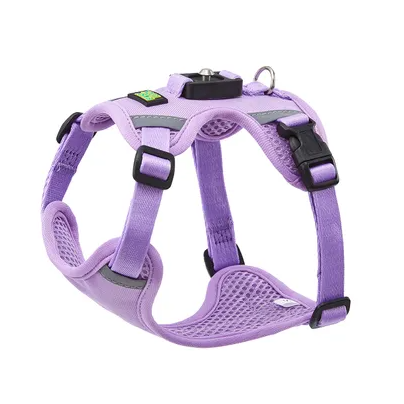
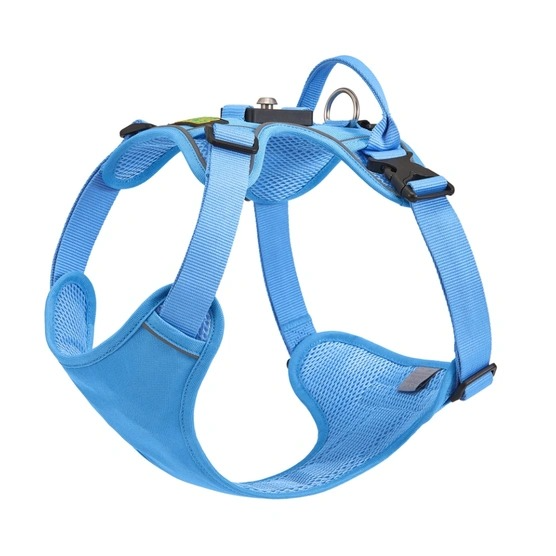
What Is a Large Dog Harness? Complete Guide to Fit, Strength, and Control
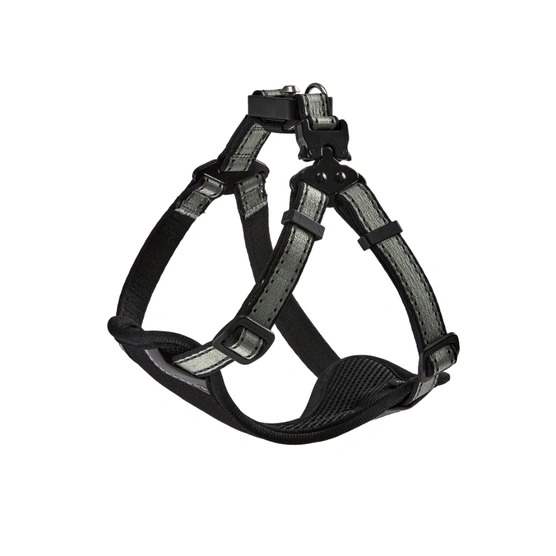
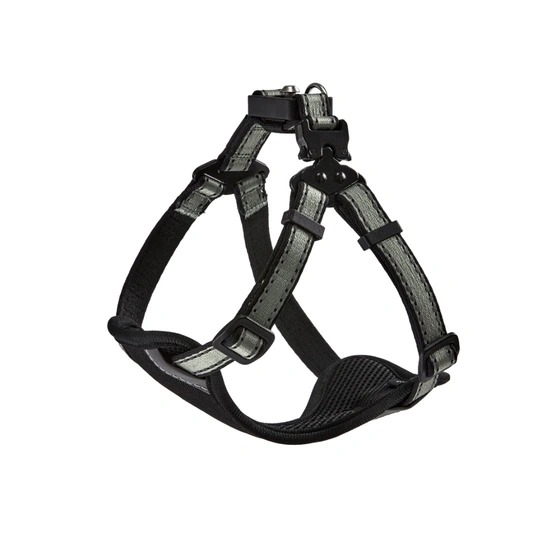
Owning a large breed dog comes with immense joy and significant responsibility. Whether you are walking a powerful Labrador, a majestic Great Dane, or a spirited German Shepherd, traditional neck collars often fall short in providing the necessary security and comfort. This is where a high-quality large dog harness becomes an essential tool for every pet owner. Unlike collars, which can put undue pressure on the trachea and neck, a harness distributes force across the chest and back, protecting your dog's physical health while offering you superior control during walks and training sessions.
A dedicated large dog harness is engineered to withstand the sheer pulling power of a big dog. It is not simply a scaled-up version of a small harness; it requires specialized materials, reinforced stitching, and ergonomic architecture to handle the kinetic energy of a heavy breed. In this guide, we will explore the critical technical aspects of these harnesses, from material science to the mechanics of no-pull designs, ensuring you make an informed decision for your canine companion's safety and comfort.
Understanding the Structural Integrity of a Large Dog Harness
The primary difference between standard pet gear and a professional large dog harness lies in its structural load capacity. For breeds weighing over 50 pounds, every component of the harness must be tested for tensile strength. High-density nylon webbing is the industry standard, but the weave density must be high enough to prevent fraying or snapping under sudden bursts of speed. At EASY LOCK, we prioritize the use of automotive-grade webbing that balances flexibility with extreme durability, ensuring that the harness remains intact even when a large dog spots a squirrel and lunges forward.
Hardware is another critical factor. Plastic buckles that work for a Chihuahua will fail under the weight of a Mastiff. A premium large dog harness utilizes heavy-duty zinc alloy or stainless steel D-rings and buckles. These metal components are often powder-coated or treated to resist rust, ensuring longevity even in humid or rainy environments. Furthermore, the stitching at stress points—typically where the D-ring meets the fabric—must be reinforced with "box-X" stitching or bartack patterns. This level of engineering prevents the harness from disintegrating under the constant tension of a strong puller.
The Biomechanics of Control and Comfort
When we talk about a large dog harness, ergonomics is not just a buzzword; it is a clinical necessity. Large dogs have massive skeletal structures that need freedom of movement. A poorly designed harness can restrict the shoulder blades (scapula), leading to long-term gait issues and joint pain. The ideal harness features a "Y-shape" or "H-shape" design that leaves the shoulders completely free while securing the dog firmly around the ribcage. This allows for a full range of motion, whether the dog is walking, running, or jumping.
Comfort padding is equally vital. Because large dogs generate significant friction against the harness during movement, soft breathable mesh or neoprene lining is used to prevent "chafing" or "hot spots" on the skin. This is especially important for short-haired breeds like Boxers or Dobermans. By integrating moisture-wicking materials, a high-quality large dog harness ensures that the animal remains cool during intense outdoor activities. Proper weight distribution across the chest plate also reduces the risk of cervical spine injuries, making it a far safer alternative to any neck-based restraint.
How to Measure and Fit Your Large Dog Properly
One of the most common mistakes owners make is choosing the wrong size for their large dog harness. A fit that is too loose allows the dog to slip out, while a fit that is too tight can cause breathing difficulties and skin irritation. To get the perfect measurement, you must measure the dog's chest girth at the widest point, usually right behind the front legs. You should also measure the lower neck where a harness would naturally sit. Most professional-grade harnesses offer multiple points of adjustment to accommodate the unique proportions of different breeds.
Once you have the harness, the "two-finger rule" is your best guide. You should be able to fit two fingers between the harness straps and your dog's body. For large breeds, pay special attention to the belly strap. If it is too far forward, it will rub against the armpits; if it is too far back, it may press against the soft tissue of the abdomen. A well-fitted large dog harness should stay centered on the dog's back and chest without rotating or shifting significantly when the dog moves side-to-side.
Safety Features and Material Science in Modern Restraints
In the modern era, a large dog harness is more than just fabric and buckles; it is a piece of safety technology. Reflective piping and stitching are essential for night-time visibility, ensuring that you and your dog are seen by motorists. Some advanced harnesses even include a built-in handle on the back, providing owners with an emergency grab point. This is particularly useful for controlling a large dog in high-traffic areas or when navigating difficult terrain during a hike.
At EASY LOCK, we take material science seriously. Our research into heavy-duty zinc alloy hardware ensures that our products can withstand the sudden load of a 100-pound dog without snapping. By utilizing magnetic locking mechanisms and modular designs, we have streamlined the process of putting on and taking off the harness, reducing stress for both the pet and the owner. This commitment to engineering safety makes our gear a preferred choice for professional trainers and outdoor enthusiasts who require a reliable large dog harness for demanding environments.
Why Choose EASY LOCK for Your Large Dog?
EASY LOCK is a pioneer in the pet safety industry, specializing in high-performance gear designed for strength and ease of use. We understand that a large dog harness must be dependable, durable, and comfortable. Our flagship products, including the Vitality Collection Fabric Harness and our rugged Leather Harness Series, are crafted with patented technology that sets us apart from the competition.
Patented Magnetic Buckles: Snap-and-go convenience with maximum security.
Our manufacturing process involves rigorous durability testing, ensuring that every large dog harness we produce meets international safety standards. From professional training sessions to daily urban walks, EASY LOCK provides the reliability you need to enjoy every moment with your large companion.
Frequently Asked Questions
Q1: How do I know if my large dog harness is too tight?
A properly fitted harness should follow the "two-finger rule." If you cannot comfortably slide two fingers under any part of the strap, it is too tight and may cause skin irritation or restrict breathing. Conversely, if it is too loose, your dog might slip out during a walk.
Q2: Can a large dog harness help with a dog that pulls excessively?
Yes, many harnesses are designed with a front-clip D-ring. When a dog pulls, the front-clip redirects their forward momentum to the side, discouraging the pulling behavior. EASY LOCK provides robust front-clip options that make managing heavy pullers much easier and safer.
Q3: Is a leather or fabric large dog harness better for daily use?
It depends on your lifestyle. Fabric harnesses, like our Vitality collection, are breathable and great for active, wet, or messy adventures. Leather harnesses offer a classic look and exceptional durability but require more maintenance. Both are engineered at EASY LOCK to provide maximum security for big breeds.
Q4: Are EASY LOCK harnesses suitable for professional training?
Absolutely. Our large dog harness designs are used by professionals worldwide because of our patented magnetic release and high-tensile hardware. They provide the control needed for complex training maneuvers while ensuring the dog's comfort and safety.
Q5: How often should I replace my large dog harness?
You should inspect the harness weekly for signs of wear, such as fraying webbing or cracked buckles. While EASY LOCK harnesses are built for longevity, environmental factors like UV exposure and saltwater can eventually affect any material. Always replace the gear immediately if the structural integrity is compromised.
Invest in Quality and Control Today
Your large dog deserves the best in safety and comfort. Don't settle for mediocre gear when you can have engineered excellence.