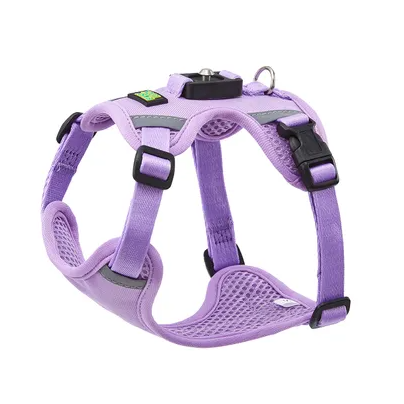
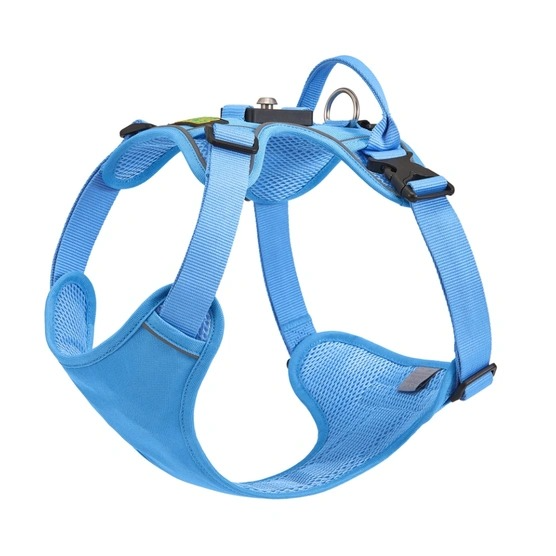
What Is a Puppy Dog Harness? How to Choose the Right Harness for Young Dogs
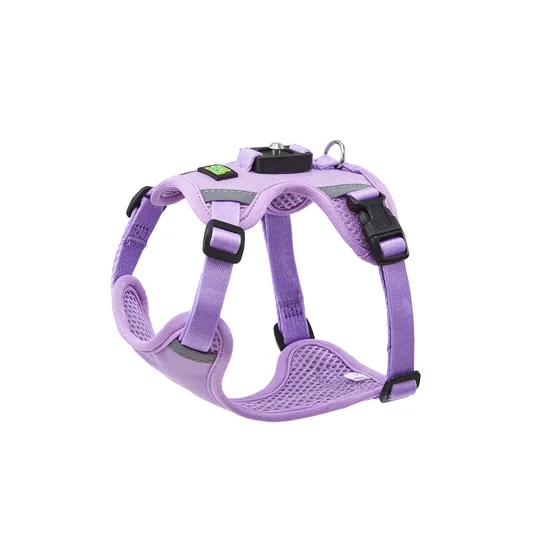
Bringing a new puppy into your home is an exciting milestone, but it also comes with the responsibility of ensuring their safety and physical development. One of the most critical tools in a new pet owner’s arsenal is the puppy dog harness. Unlike traditional collars, a harness is specifically designed to distribute pressure across the chest and shoulders, which is vital for young dogs whose skeletal structures are still forming. Choosing the right equipment early on can prevent long-term injuries and make the training process significantly more effective. In this comprehensive guide, we will explore the technical aspects of selecting a harness that grows with your pet while maintaining the highest standards of safety and comfort.
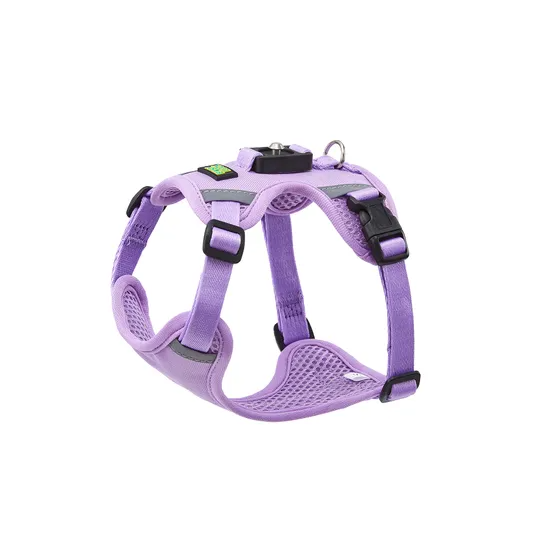
The Importance of Using a Puppy Dog Harness for Skeletal Protection
Young dogs are naturally energetic and often lack the discipline required for loose-leash walking. During the puppy stage, their necks are incredibly fragile. Using a collar alone can lead to tracheal collapse or cervical spine issues if the puppy suddenly lunges or pulls. A specialized puppy dog harness mitigates these risks by shifting the point of contact from the throat to the sturdier bone structures of the ribcage and shoulders. This anatomical consideration is not just about comfort; it is about preventing developmental deformities that could plague a dog later in life.
Furthermore, the psychological aspect of leash training is enhanced when using a harness. Puppies are less likely to feel restricted or panicked when the pressure is distributed evenly. When a puppy feels secure, they are more focused on the trainer’s commands rather than the discomfort around their neck. This creates a positive association with outdoor activities and walks, which is foundational for a well-behaved adult dog. Experts in canine kinesiology often recommend Y-shaped harnesses that allow for full range of motion in the shoulder joints, ensuring that the puppy's natural gait is not inhibited during their most rapid growth phases.
Technical Features to Evaluate in Your Puppy Dog Harness
When searching for the perfect puppy dog harness, pet owners must look beyond aesthetics and focus on mechanical integrity and material science. The first feature to consider is adjustability. Puppies grow at an exponential rate, sometimes doubling in size in just a few months. A high-quality harness should feature multiple adjustment points—typically at the neck and chest—to ensure a snug but comfortable fit as the dog matures. This adjustability prevents the harness from becoming too tight, which can cause skin irritation, or too loose, which might allow the puppy to escape.
Material choice is equally important. Young dogs have sensitive skin and a soft coat. Look for materials such as high-density nylon webbing paired with breathable mesh lining. These materials provide the necessary tensile strength to handle sudden movements while allowing airflow to prevent overheating. Additionally, the hardware, such as buckles and D-rings, must be lightweight yet durable. For puppies, heavy metal components can be cumbersome and affect their balance. Innovative solutions like magnetic buckles or lightweight zinc-alloy hardware are ideal for providing security without adding unnecessary weight to a small frame.
Types of Harness Designs for Growing Dogs
The market offers various designs for a puppy dog harness, each serving a specific training or lifestyle purpose. The "Step-In" harness is popular for puppies who are head-shy or nervous about having equipment slipped over their ears. By simply having the puppy step into the loops, the owner can quickly secure the harness on the back. While convenient, step-in models often offer less control for strong pullers. On the other hand, "Over-the-Head" harnesses often provide more coverage and stability, making them suitable for active puppies involved in hiking or more intense physical play.
Another distinction is between front-clip and back-clip harnesses. A back-clip puppy dog harness is the most common and is excellent for casual walks where the dog does not pull excessively. It keeps the leash away from the puppy’s legs, preventing tripping. However, for puppies that have already developed a pulling habit, a front-clip harness is a powerful training tool. When the puppy pulls, the leash attachment at the chest redirects their momentum back toward the owner, discouraging the behavior without causing pain. Understanding these design nuances allows owners to tailor their choice to their puppy's specific personality and progress.
How to Correctly Fit and Maintain Your Harness
A puppy dog harness is only effective if it fits correctly. To find the right size, you must measure the puppy’s girth—the widest part of their ribcage—and their neck circumference. Once the harness is on, you should be able to fit two fingers between the straps and the dog's body. If the straps are too tight, they can restrict breathing and movement; if they are too loose, the puppy can back out of the harness, leading to dangerous off-leash situations in public areas. Regular fit checks are mandatory, as a puppy's size can change literally overnight.
Maintenance is the final piece of the puzzle. Puppies are notorious for getting messy, whether it is through mud, grass, or accidental chewing. Ensure the puppy dog harness you select is machine washable or easy to wipe down. Inspect the webbing and stitching weekly for any signs of fraying or wear. Since puppies go through a teething phase, they may attempt to chew on the chest straps when you are not looking. If the structural integrity of the harness is compromised, it must be replaced immediately to ensure the dog’s safety during their next outing.
Advanced Pet Safety with EASY LOCK
At EASY LOCK, we specialize in the intersection of mechanical engineering and pet ergonomics. We understand that a puppy dog harness is not just a commercial product, but a vital safety restraint. Our company is built on a foundation of innovation, particularly in our patented magnetic locking systems and high-durability hardware. We pride ourselves on manufacturing pet gear that withstands the rigors of puppy growth and energetic outdoor adventures.
Our competitive advantage lies in our material selection and precision manufacturing. From our leather harness collections to our professional pet safety systems, every component undergoes rigorous load testing. We focus on modular designs that simplify the assembly process for manufacturers while providing end-users with a seamless, intuitive experience. Whether you are looking for a lightweight puppy dog harness or a heavy-duty training solution, EASY LOCK delivers unparalleled reliability.
Explore our full range of products at EASY LOCK Products and discover why we are the preferred partner for pet brands globally.
Frequently Asked Questions
Q1: At what age should I start using a puppy dog harness?
You can start using a harness as soon as your puppy begins leash training, usually around 8 weeks of age. Early introduction helps them acclimate to the feel of the gear.
Q2: How do I know if the puppy dog harness is too small?
If you cannot fit two fingers under the straps, or if you see indentations in the puppy's fur or skin after removal, the harness is too tight and needs adjustment or a larger size.
Q3: Can a puppy dog harness help with aggressive pulling?
Yes, especially front-clip models. They are designed to steer the puppy toward you when they pull, which effectively trains them to walk by your side without the choking risk of a collar.
Q4: What makes EASY LOCK harnesses different from standard retail options?
EASY LOCK integrates patented magnetic buckles and automotive-grade hardware into every puppy dog harness, ensuring that the locking mechanism is both fast to engage and impossible to fail under tension.
Q5: Is it safe for a puppy to wear a puppy dog harness all day?
It is recommended to remove the harness when the puppy is indoors and unsupervised. Constant wear can lead to fur matting or skin irritation, and it may encourage the puppy to chew on the straps.
Conclusion
Selecting the right puppy dog harness is a vital step in ensuring your pet's long-term health and training success. By focusing on ergonomic design, material durability, and proper fit, you provide your puppy with the freedom to explore the world safely.
Ready to upgrade your puppy's walking experience with professional-grade safety technology?