Dog Collar vs Harness for Puppy: Which Is the Better Choice for Safety and Training?
Bringing a new puppy home is an exciting milestone filled with joy, wagging tails, and the responsibility of making critical health and safety decisions. One of the most common dilemmas new owners face is the debate of dog collar vs harness for puppy. Selecting the right gear is not just about aesthetics; it directly impacts your puppy's neck health, spine development, and long-term training success. Both collars and harnesses serve distinct purposes, and understanding their differences is essential for any responsible pet parent.
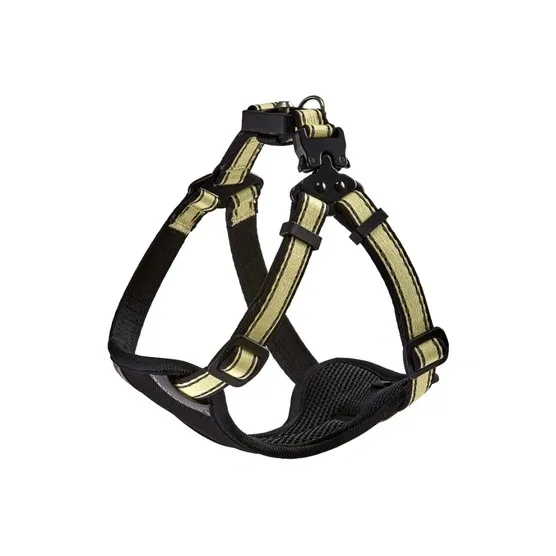
Understanding the Basics of Puppy Neck Safety
A puppy's anatomy is incredibly delicate during their first few months of life. Their neck contains the esophagus, trachea, and thyroid gland, all of which can be easily damaged by excessive pressure. When discussing a dog collar vs harness for puppy, the primary concern is often how the force of a leash pull is distributed across these vital structures.
Traditional collars concentrate all pressure on the neck area. If a puppy is prone to sudden lunging or consistent pulling, a collar may increase the risk of tracheal collapse or neck strain. Conversely, a harness distributes the force across the chest and shoulders, which are much sturdier than the neck. This makes the harness a popular recommendation for smaller breeds or those predisposed to respiratory issues.
The Pros and Cons of Using a Dog Collar
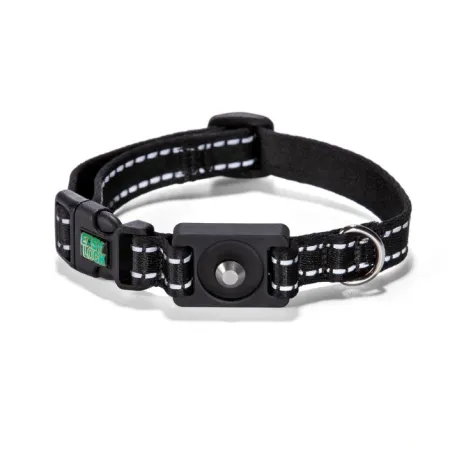
Collars have been the standard for canine control for centuries, primarily due to their simplicity and convenience. They are excellent for holding identification tags, which are legally required in many jurisdictions. For puppies who have already learned basic leash manners, a high-quality collar offers a lightweight and comfortable option for everyday wear.
- Convenience: Easy to put on and take off for quick walks.
- Identification: Best for carrying ID tags and medical information.
- Comfort: Less restrictive than a full-body harness for long-term indoor wear.
However, the drawbacks are significant for untrained puppies. Constant pulling against a collar can lead to eye issues due to increased ocular pressure and potential spinal misalignment. Therefore, while a collar is a staple accessory, it may not be the optimal primary walking tool during the early training phase.
Why Many Trainers Prefer a Harness for Puppies
When evaluating a dog collar vs harness for puppy from a training perspective, the harness often wins for beginners. Harnesses provide the owner with better mechanical leverage over the puppy's body without causing pain or choking. This is particularly useful when teaching a puppy not to jump on strangers or preventing them from darting into traffic.
Front-clip harnesses are especially effective for large-breed puppies that pull. By attaching the leash to the chest area, the puppy is gently redirected back toward the owner whenever they try to pull forward. This bio-mechanical advantage encourages the puppy to walk by your side rather than engaging in a tug-of-war match that they might win as they grow larger.
The Training Transition: From Harness to Collar
It is often not a matter of choosing one over the other forever, but rather using the right tool for the current stage of development. Many experts suggest starting with a harness for outdoor adventures and training sessions while keeping a collar on for identification purposes. This dual approach ensures the safety of the puppy while preparing them for more advanced leash work.
As the puppy matures and masters the loose-leash walking technique, the transition to a collar can be made safely. During this transition, the owner can rely on the collar for simple guidance, knowing the puppy will not cause self-injury. The decision between dog collar vs harness for puppy eventually evolves into a preference based on the dog's behavior and the owner's lifestyle.
Introduction to Easy Lock: Professional Pet Solutions
At Easy Lock, we understand that every puppy is unique, which is why we specialize in manufacturing high-performance pet accessories that prioritize both safety and style. With years of experience in the industry, our brand has become a trusted partner for pet owners and wholesalers worldwide seeking reliable equipment for their canine companions.
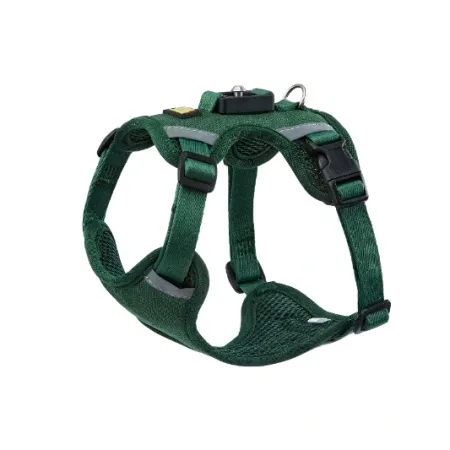
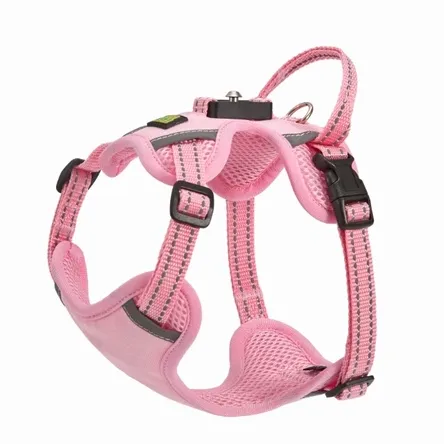
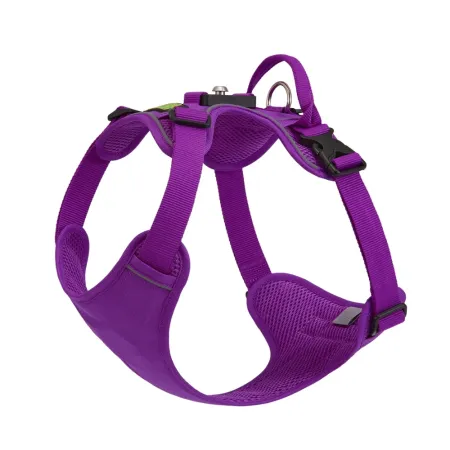
Our extensive product range includes everything you need to navigate the dog collar vs harness for puppy choice. We offer premium fabric harnesses for breathable comfort, sophisticated leather harnesses for durability, and specialized light harnesses for evening visibility. Every product is designed with the ergonomic needs of a growing puppy in mind, ensuring a perfect fit that prevents escaping and chafing.
As a dedicated pet supplies manufacturer, Easy Lock focuses on innovation and quality control. Whether you are looking for the vibrant Pastel Collection or the high-energy Vitality Collection, our designs facilitate better training outcomes and safer outdoor experiences. We also provide essential safety gear like car seatbelts to protect your pet during travel.
Why Choose Easy Lock Products?
Choosing Easy Lock means investing in long-term quality. Our advantages include:
- Advanced Ergonomics: Our harnesses are designed to avoid pressure on the trachea and provide full range of motion for growing joints.
- Durable Materials: From heavy-duty webbing to premium leather, our products withstand the rigors of puppyhood.
- Customization: We offer OEM/ODM services for businesses looking to develop their own line of pet accessories.
Explore more about our mission and production capabilities on our About Us page, or see how our products are used across different applications.
Conclusion
In the debate of dog collar vs harness for puppy, the harness is generally the superior choice for initial walking and training due to its safety and control benefits. However, the collar remains an essential tool for identification. By combining both—or selecting a high-quality harness from Easy Lock—you provide your puppy with the best start in life. Prioritize your puppy's comfort and safety today to enjoy a lifetime of happy walks together.
Frequently Asked Questions
Q1: Why choose a dog collar vs harness for puppy when starting leash training?
For beginners, a harness is usually recommended because it prevents the puppy from choking or hurting their neck when they pull. It provides better control for the owner and encourages better posture. At Easy Lock, we offer specialized training harnesses designed to make this process easier for both you and your pet.
Q2: Is a dog collar vs harness for puppy safer for small breeds?
Smaller breeds like Pomeranians or Chihuahuas have very fragile tracheas. For these dogs, a harness is significantly safer than a collar as it eliminates all pressure from the throat area, reducing the risk of respiratory distress or injury.
Q3: How does the choice of dog collar vs harness for puppy impact walking behavior?
A harness typically reduces pulling behavior because it doesn't trigger the "opposition reflex" as strongly as a collar does. Using a front-clip harness can help guide the puppy back toward you, teaching them to follow your lead rather than dragging you along.
Q4: Can I use both a dog collar vs harness for puppy during outdoor trips?
Yes, many owners use both. The collar is kept on for ID tags and style, while the leash is attached to the harness for safety and control. This "belt and braces" approach ensures that even if one piece of equipment fails, your puppy remains secured.
Q5: Where can I find the best quality dog collar vs harness for puppy supplies?
Easy Lock offers a comprehensive selection of premium collars and harnesses. Our products are tested for durability and ergonomic comfort, making them the ideal choice for new puppy owners. You can browse our full catalog online and contact us for bulk ordering or customization options.
Ready to Upgrade Your Puppy's Gear?
Discover the perfect balance of safety and style with Easy Lock pet accessories.
Contact Us for a Quote