Professional Puppy Dog Harness Design: Supporting Training and Healthy Development
Welcoming a new puppy into your home is a journey filled with excitement and responsibility. One of the most critical decisions a pet owner or professional trainer can make during the early stages of a dog's life is the selection of proper walking gear. While traditional collars have been the standard for decades, modern veterinary science and behavioral studies strongly suggest that a professional puppy dog harness is a superior choice for supporting both physical health and behavioral training.
The developmental phase of a puppy is a sensitive window where their skeletal structure is still hardening and their behavioral patterns are being established. Using equipment that is poorly designed can lead to long-term physical issues or frustrating training experiences. This guide explores why ergonomic design matters and how the right equipment can transform the developmental trajectory of a young canine.
Why is the ergonomic design of a professional puppy dog harness essential?
A puppy's neck contains delicate structures, including the trachea, thyroid gland, and vital blood vessels. When a puppy pulls against a collar, the concentrated pressure can cause significant strain or even permanent damage. A professional puppy dog harness is engineered to redirect this force away from the neck and distribute it across the strongest parts of the body: the chest and shoulders.
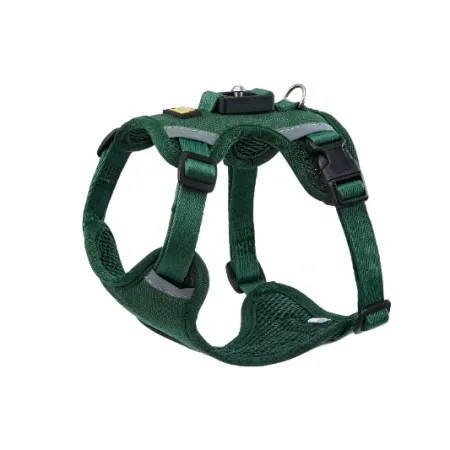
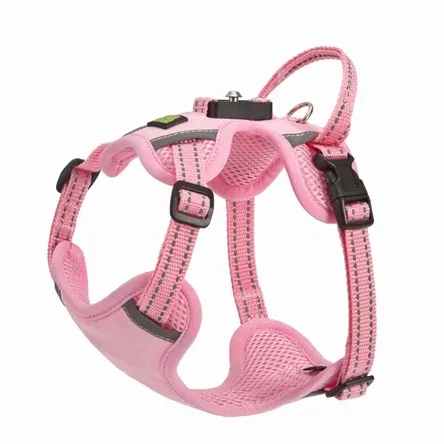
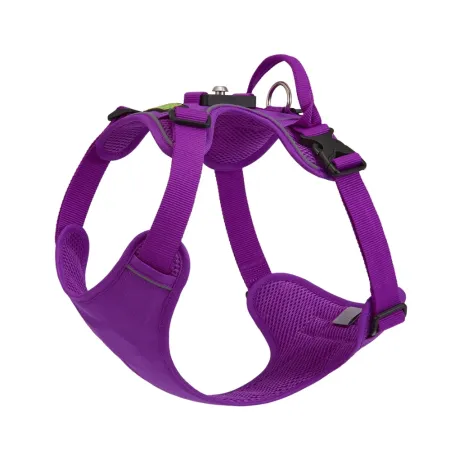
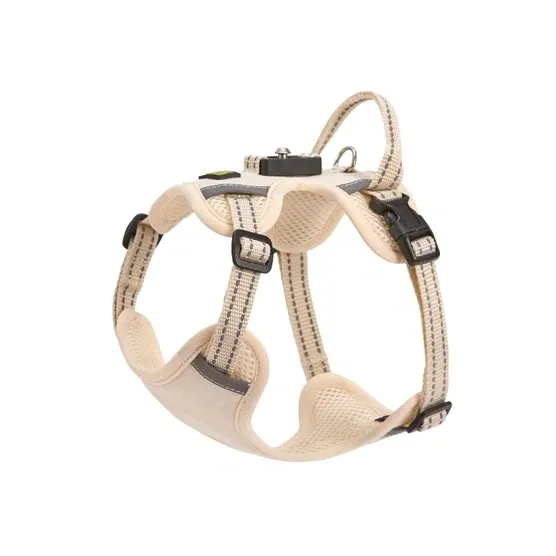
The ergonomic design ensures that the harness does not interfere with the natural gait of the puppy. High-quality models feature a Y-shaped chest plate, which allows for full range of shoulder motion. This is particularly important for active puppies who spend their time running and exploring, as any restriction in shoulder movement can lead to compensatory muscle strain in the back and legs.
Furthermore, the padding used in a professional-grade harness prevents chafing and irritation. Puppies have sensitive skin and thinner coats than adult dogs, making them more susceptible to sores caused by friction. By using breathable, soft materials, a professional harness ensures that the puppy remains comfortable during long training sessions or outdoor adventures.
How does a harness facilitate effective leash training?
Leash training is often the most challenging aspect of early puppy ownership. A professional puppy dog harness offers multiple attachment points that give the handler greater control without using pain or discomfort as a deterrent. Front-clip attachments are particularly effective for teaching a "no-pull" behavior, as they gently redirect the puppy's forward momentum back toward the owner when they reach the end of the leash.
Unlike collars, which can create a "choke" reflex that increases a puppy's anxiety, a harness provides a sense of security. When the puppy feels a steady, distributed pressure from the harness, it can actually have a calming effect, similar to a weighted blanket. This reduced stress level makes the puppy more receptive to verbal cues and positive reinforcement training.
For professional trainers, the ability to manage a puppy with minimal physical force is vital. A well-fitted harness allows for subtle corrections and guidance, ensuring that the bond between the owner and the pet remains based on trust rather than fear. This foundational trust is the key to developing a well-behaved adult dog.
What impact does a harness have on skeletal development?
Veterinary experts emphasize that the first year of a dog's life is critical for bone growth. Growth plates at the ends of long bones are soft and vulnerable to injury until they fully calcify. Excessive force on the neck and spine from pulling on a collar can lead to cervical disc issues or spinal misalignment. By using a professional puppy dog harness, owners can safeguard these developing structures.
The distribution of weight in a professional harness is calculated to match the canine anatomy. By centering the pull force on the sternum, the harness utilizes the dog's center of gravity to provide stability. This prevents the "jerking" motion that can occur with collars, which often leads to micro-trauma in the developing joints of the front legs.
Long-term studies have shown that dogs who were walked on harnesses during their puppyhood have a lower incidence of chronic back pain in their senior years. Investing in professional equipment early on is not just a training choice; it is a preventative health measure that pays dividends throughout the dog's entire life.
Which materials are best for a high-quality puppy harness?
The durability and comfort of a harness are largely determined by its material composition. For puppies, lightweight and breathable fabrics like air-mesh are ideal, especially in warmer climates. Mesh allows for maximum airflow, preventing the puppy from overheating during exercise. For more rugged use, nylon webbing with high tensile strength is preferred, as it can withstand the energetic movements of a growing dog.
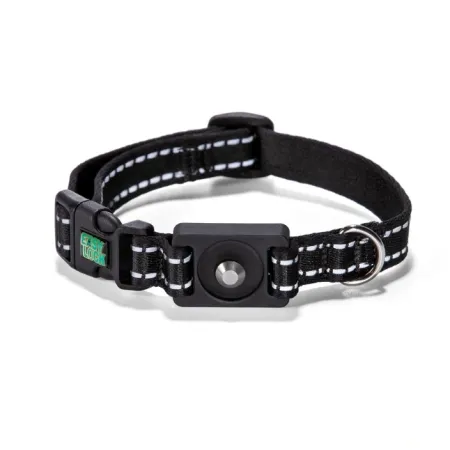
At Easy Lock, we prioritize the use of premium materials that are both eco-friendly and pet-safe. Our hardware, such as buckles and D-rings, is made from rust-resistant alloys to ensure longevity even in wet conditions. Safety is further enhanced with the inclusion of reflective stitching, which provides visibility during low-light evening walks.
- Fabric Harnesses: Soft, flexible, and perfect for small breeds or sensitive puppies.
- Leather Options: Highly durable and molds to the dog's body over time for a custom fit.
- Padded Nylon: The best balance of strength and comfort for daily training routines.
About Easy Lock: Your Trusted Pet Gear Partner
With over a decade of experience in the pet industry, Easy Lock has established itself as a leading manufacturer of high-performance pet accessories. We specialize in providing B2B solutions, offering extensive OEM and ODM services to brands worldwide. Our commitment to quality is reflected in every professional puppy dog harness we produce.
Our factory utilizes advanced production techniques to ensure that every stitch meets international safety standards. Whether you are looking for our vibrant Vitality Collection or specialized leather dog harnesses, our products are designed with the end-user's comfort and the owner's peace of mind as the top priorities.
We understand the needs of professional pet retailers and distributors. That is why we offer low MOQ, fast shipping, and customizable branding options to help our partners succeed in a competitive market. Our expertise in ergonomics and material science makes us the preferred choice for those who refuse to compromise on pet safety.
Frequently Asked Questions
Q1: At what age should I start using a professional puppy dog harness?
You can begin using a harness as soon as your puppy starts going for walks, typically around 8 to 10 weeks of age. Early introduction helps them get used to the sensation of wearing gear and prevents them from developing pulling habits associated with collars.
Q2: How do I ensure a professional puppy dog harness fits my growing pet correctly?
The general rule is the "two-finger" rule: you should be able to fit two fingers between the harness and the puppy's body. Because puppies grow quickly, you should check the fit every week and adjust the straps accordingly. Easy Lock harnesses feature multiple adjustment points to accommodate rapid growth phases.
Q3: Can a professional puppy dog harness help with a puppy that is scared of walks?
Yes, many puppies feel more secure in a harness. The "hug" like feel of a well-fitted harness can lower cortisol levels. Additionally, because the owner has more control, the puppy is less likely to slip out of the gear during a "flight" response, keeping them safe in urban environments.
Q4: What makes the Easy Lock professional puppy dog harness different from cheap alternatives?
Standard harnesses often use thin nylon that cuts into the skin and cheap plastic buckles that can snap under pressure. Our professional gear uses reinforced cross-stitching, military-grade hardware, and ergonomic padding designed by experts who understand canine anatomy.
Q5: Is it possible to order a customized professional puppy dog harness for my brand?
Absolutely. Easy Lock specializes in OEM services. We can customize colors, materials, and logos to match your brand identity. We provide full support from the design phase to final bulk production, ensuring your products stand out in the global pet market.
Conclusion
Choosing a professional puppy dog harness is an investment in your dog's future. By prioritizing ergonomic support, safety, and training efficiency, you provide your puppy with the best possible start in life. At Easy Lock, we remain dedicated to innovating pet gear that supports the deep bond between humans and their canine companions through superior design and manufacturing.
Ready to Upgrade Your Inventory with Professional Pet Gear?
Contact Easy Lock today for wholesale inquiries and custom manufacturing solutions tailored to your brand's needs.
Get A Free Quote