What to Look for When Visiting a Quick Release Dog Harness Factory
Ensuring product safety and manufacturing excellence is paramount for pet brands. This comprehensive guide outlines the critical factors to evaluate when conducting a site visit at a professional quick release dog harness factory.
Introduction to Factory Auditing
When sourcing pet gear, the quality of the manufacturing partner determines the success of your brand. A visit to a quick release dog harness factory is more than just a formality; it is a deep dive into the technical capabilities and safety standards that protect both the pets and your business reputation. In an industry where "quick release" functionality is a safety-critical feature, understanding the assembly line and testing protocols is non-negotiable.
Establishing a partnership with a manufacturer like Easy Lock requires an eye for detail. From the raw materials to the final stitch, every step must align with international safety standards. This guide will walk you through the essential checkpoints, ensuring that your chosen facility can meet high-volume demands without compromising on the integrity of the harness mechanisms.
1. Assessing Buckle Integrity and Mechanism Smoothness
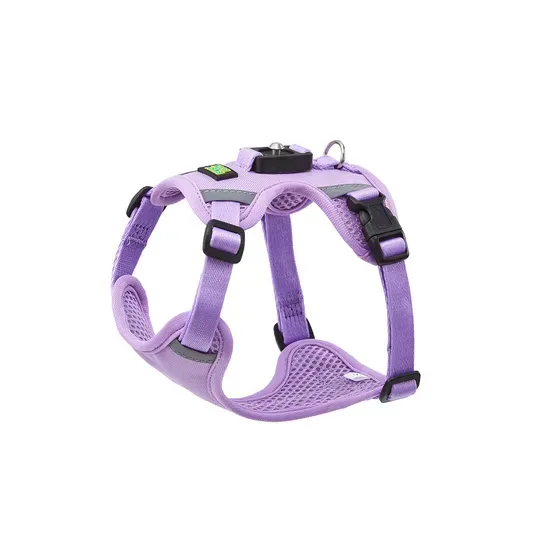
The "quick release" feature is the most important component of the harness. When you are at the quick release dog harness factory, you should spend significant time at the hardware assembly station. Check if the buckles are sourced from reputable suppliers or manufactured in-house with high-grade POM (Polyoxymethylene) or metal alloys.
Ask the technicians to demonstrate the "click" sound. A high-quality buckle should produce a distinct, crisp sound, indicating a secure lock. Furthermore, test the release pressure; it should be easy enough for a human to operate in an emergency but resistant enough to prevent accidental opening during vigorous dog activity. Professional factories will have dedicated machines to test the cycle life of these buckles, ensuring they can withstand thousands of clicks.
Inspect the tolerance levels of the male and female parts of the buckle. There should be minimal wiggle room. Any excessive gap can lead to dirt accumulation or mechanical failure over time, which is a major red flag for high-end pet product retailers.
2. Evaluating Material Strength and Webbing Quality
The base material of a dog harness provides the structural support needed for control. A leading quick release dog harness factory will offer a variety of materials, including high-density nylon, polyester, and eco-friendly TPU. During your visit, feel the texture of the webbing—it should be smooth to the touch to prevent fur matting but thick enough to resist fraying.
Check the tensile strength specifications for different sizes. A harness for a Great Dane requires significantly different material specs than one for a Chihuahua. A factory with expertise will have a clear chart showing the break-strength of each webbing type they use. At Easy Lock, we emphasize the use of reinforced fibers that maintain their shape even under heavy tension.
Look for evidence of UV-resistance and water-repellency treatments. These treatments are essential for outdoor gear. If the factory stores their raw materials in a damp or sun-exposed area, it could compromise the longevity of the final product before it even reaches the consumer.
3. Inspecting Sewing Techniques and Box-Stitching
How a harness is sewn is just as important as the materials used. Pay close attention to the "stress points"—the areas where the D-rings and buckles are attached to the webbing. A professional quick release dog harness factory uses automated sewing machines to ensure consistency that manual labor cannot match.
Look for "box-stitching" (a square with an 'X' inside). This is the industry standard for securing heavy-duty pet gear. The thread used should be bonded nylon or heavy-duty polyester thread that matches or exceeds the strength of the webbing itself. If you see loose threads or uneven stitch patterns, it indicates a lack of quality control.
Furthermore, check for the inclusion of soft padding materials like Neoprene or mesh. Observe how these layers are integrated. High-quality factories ensure that the edges are "piped" or folded over to prevent the raw edges of the fabric from rubbing against the dog's skin, which ensures maximum comfort for the pet.
4. Advanced Quality Control and Lab Testing
A top-tier quick release dog harness factory does not rely on visual inspection alone. They must have an on-site laboratory. Ask to see their tensile strength testing machine, where harnesses are pulled until they break to determine their maximum load capacity. This data should be readily available for every batch produced.
In addition to tensile testing, ask about salt spray tests for metal D-rings and hardware. This ensures that the metal components will not rust when exposed to rain or seawater. For brands selling in international markets, the factory must also demonstrate compliance with REACH or CPSIA standards regarding chemical safety in plastics and dyes.
The Final Quality Control (FQC) area should be organized and systematic. Every harness should be checked for buckle functionality, stitching integrity, and cleanliness before being packed. If the QC area looks chaotic, it is likely that defective products will slip through the cracks.
5. Production Capacity and Lead Time Reliability
When you visit a quick release dog harness factory, evaluate the scale of their operation. Do they have enough machines and skilled workers to handle your peak season orders? Observe the flow of production—from cutting to sewing, and finally to packaging. A lean manufacturing setup usually indicates higher efficiency and lower defect rates.
Ask about their lead times for both sample development and bulk production. A reliable factory should be able to produce a prototype within 7-10 days. For bulk orders, a standard 30-45 day lead time is typical, but this can vary based on the complexity of the design. Ensure they have a robust ERP system to track order progress in real-time.
Communication is the backbone of a successful partnership. During your tour, interact with the project managers. Are they knowledgeable about the technical aspects of dog harnesses? Do they offer proactive solutions for cost-saving or design improvements? A factory that acts as a partner rather than just a vendor is a valuable asset.
Why Choose Easy Lock for Your Manufacturing Needs
At Easy Lock, we pride ourselves on being a world-class quick release dog harness factory that prioritizes innovation and safety. Our facility is equipped with state-of-the-art automated machinery and a dedicated R&D team that works tirelessly to improve locking mechanisms and ergonomic designs.
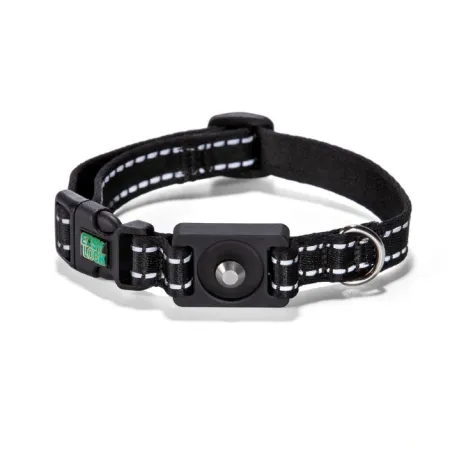
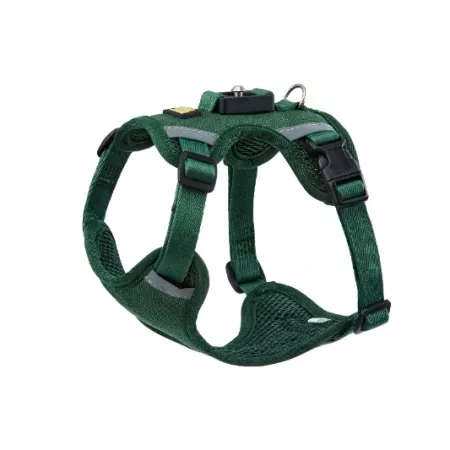
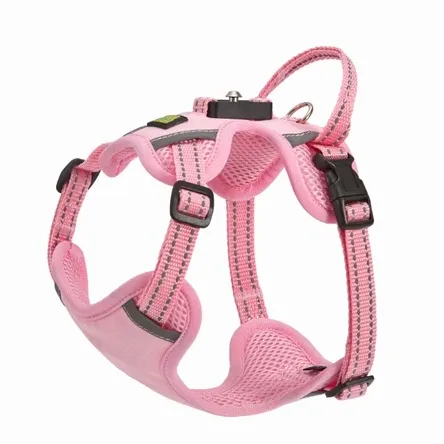
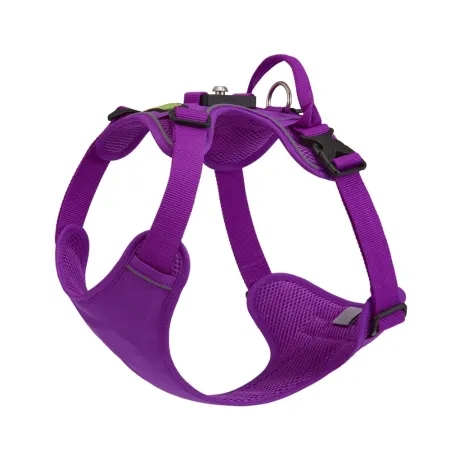
Our product range is diverse, catering to various market segments. From our durable Easy Lock fabric harnesses designed for everyday comfort to our stylish Vitality collection, we ensure that every item meets the highest standards of the global pet industry. We understand the nuances of the pet supply chain and offer comprehensive OEM and ODM services to help you build a unique brand identity.
By choosing Easy Lock, you gain access to a partner committed to transparent manufacturing. We welcome factory audits and provide detailed testing reports for all our premium leather and fabric options. Our goal is to empower your business with products that pet owners trust and dogs love.
Frequently Asked Questions (FAQ)
Q1: How do I verify the durability of products at a quick release dog harness factory?
You should request a live demonstration of their tensile strength testing. A reputable factory will use a computerized pull-test machine to show the exact weight at which the harness or buckle fails. Additionally, check for box-stitching at all connection points, as this is a key indicator of long-term durability.
Q2: What customization options should a quick release dog harness factory provide?
A professional facility should offer custom pantone color matching for webbing, logo branding (via rubber patches, embroidery, or heat transfer), and various hardware finishes. At Easy Lock, we provide full ODM services to create unique buckle shapes and ergonomic patterns tailored to your specific brand requirements.
Q3: Can a quick release dog harness factory handle high-volume seasonal orders?
Yes, but you must evaluate their production capacity. Look for automated sewing lines and a large workforce. A factory with over 100 specialized machines can typically handle tens of thousands of units per month. It is important to discuss your forecast early to secure production slots during peak seasons.
Q4: What certifications should I look for in a professional quick release dog harness factory?
Look for ISO 9001 for quality management and BSCI or Sedex for social compliance and ethical labor practices. For the products themselves, ensure they meet REACH standards for the European market and ASTM standards for North America to ensure all materials are non-toxic and pet-safe.
Q5: How does a quick release dog harness factory ensure the safety of the locking mechanism?
Safety is ensured through rigorous cycle testing of the buckles and the use of high-quality raw materials like virgin POM plastic. The factory should also conduct "jerk tests" to simulate a dog suddenly lunging, ensuring the quick release mechanism does not pop open under sudden, high-impact force.
Conclusion
Selecting the right manufacturing partner is a strategic decision that affects your product safety, customer satisfaction, and brand growth. By focusing on buckle integrity, material quality, and rigorous testing protocols during your factory visit, you can establish a secure and profitable supply chain.
Ready to elevate your pet product line with a trusted quick release dog harness factory?